
About ABA
What Actually Happens in an ABA Session: An Hour-by-Hour Look

Written by the Golden Touch ABA clinical team. Medically reviewed by Lily Palmer, M.Ed., BCBA, LBA
October 5, 2026 · 8 min read
The doorbell rings at nine. Your four-year-old is already at the window, because the person on the porch is the one who brings the bubbles. The therapist kicks off her shoes, sits down on your living room rug, and asks your son what he wants to play. For the next few minutes it looks like nothing is happening at all.
A lot is happening. Almost every parent we meet has the same picture of ABA in their head before the first session: a child at a small table, a stack of flashcards, a stranger saying "do this" over and over. That picture is decades out of date. What follows is what an in-home session with Golden Touch ABA actually looks like, hour by hour, and why each part is there.
What happens in a typical ABA session?
A typical session is a few hours of play and ordinary household routines, led by a behavior technician working one to one with your child, with skill practice built into all of it. Most of our in-home sessions run 3 to 4 hours. Here is a realistic morning for a preschooler. The exact times move around for every family, and the goals come from your child's own treatment plan, but the rhythm is close to this.
- 9:00 AM · Arrival and pairing
The therapist spends the first stretch just being fun. She follows your child's lead, joins whatever he is already doing, and brings the things he loves. Clinicians call this pairing: the therapist becomes someone your child is glad to see. Nothing gets asked of him yet, on purpose. A child who feels safe learns faster, and skipping this step is the most common reason a first month goes badly.
- 9:20 AM · Skill building inside play
Now the teaching starts, and it still looks like play. If he wants another turn with the bubbles, that is a chance to practice asking for it, with a word, a sign, or a tap on his communication device. Stacking cups become a lesson in imitation and taking turns. The therapist is working from a list of specific targets in his plan and quietly counting how each one goes.
- 10:00 AM · Short focused practice
Some skills are learned faster with a few minutes of concentrated repetition: matching, naming colors, following a two-step direction. This might happen at the coffee table or on the floor. It is brief, it ends before he is bored, and each correct answer earns something he actually wants.
- 10:30 AM · Snack and real routines
Snack is one of the richest parts of the session. Choosing between two options, opening a container, waiting a few seconds, wiping up. This is where skills stop being therapy and start being life, which is the whole reason for doing ABA at home.
- 11:00 AM · Harder moments, on purpose
Transitions are hard for a lot of kids, so the plan builds them in: turning off the tablet, cleaning up a game he is not done with, putting shoes on to go outside. The therapist practices these with support while things are calm, so they go better when it counts.
- 11:40 AM · Wind down and handoff
The last stretch is something easy he enjoys. Then the therapist takes a few minutes with you: what went well, what was hard, and one thing to try before the next visit.
- After the session · Notes and data
The therapist finishes the session note and uploads the data. Your BCBA reviews it, and that review is what decides whether a goal moves up, stays, or gets taught a different way.
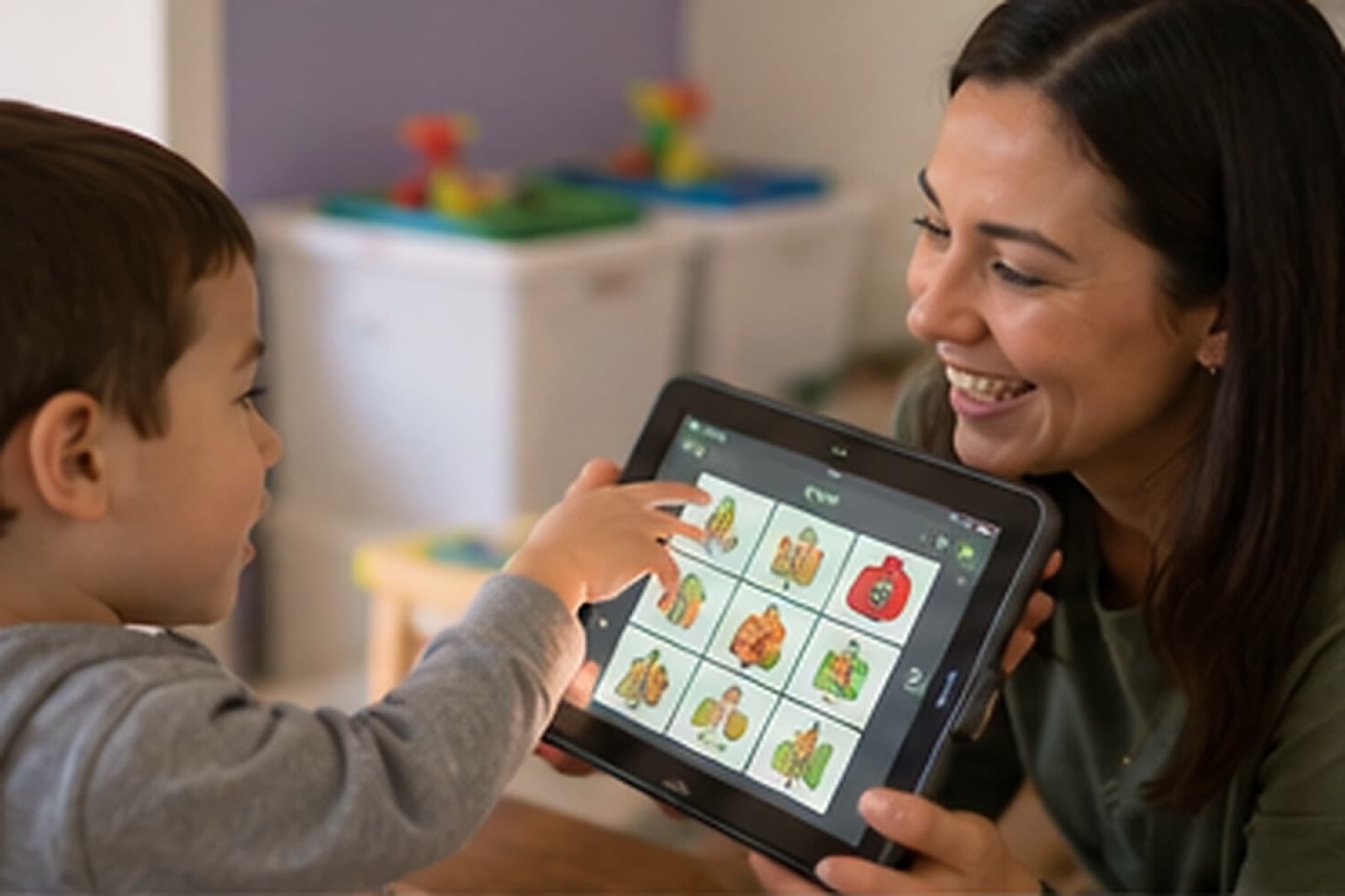
Who is in the room during an ABA session?
Usually two people besides your child: a Registered Behavior Technician and you, or another adult caregiver. The technician delivers most of the direct hours. A Board Certified Behavior Analyst designs the program and joins sessions regularly to supervise, watch your child, and coach both the technician and you.
| Who | How often you see them | What they do in the session |
|---|---|---|
| RBT | Every session | Works one to one with your child, runs the teaching plan, takes data on every target |
| BCBA | Every week at Golden Touch | Observes, models new techniques, adjusts goals, coaches the RBT and the parent |
| Parent | Every session | Stays home, joins for coaching moments, practices the same skills between visits |
That middle row is where providers differ the most. Across the industry, a BCBA may carry 15 to 20 or more clients and show up every other week or less. Ours average about ten, and every child gets BCBA involvement weekly. In practice that means when something stops working on a Tuesday, the person who can change the plan has usually seen your child in person within the week. You can read more about why we built it that way on our approach page.
Is ABA therapy just sitting at a table doing drills?
No, and for young children it is mostly the opposite. The bulk of modern ABA happens during play and daily routines, an approach called natural environment teaching. Short bursts of focused practice still have a place, because some skills really do come faster with repetition. They just take up a small slice of the session.
Here is how the same activity can carry very different goals, depending on what your child is working on:
| What you see | What might be being taught |
|---|---|
| Blowing bubbles | Asking for "more," eye contact, waiting for a turn |
| Building a block tower | Imitation, requesting pieces, coping when it falls |
| Making a snack | Making choices, following steps, fine motor skills |
| Putting on shoes | Independence, tolerating a transition, following directions |
| Playing a video game | Conversation, sportsmanship, handling losing |
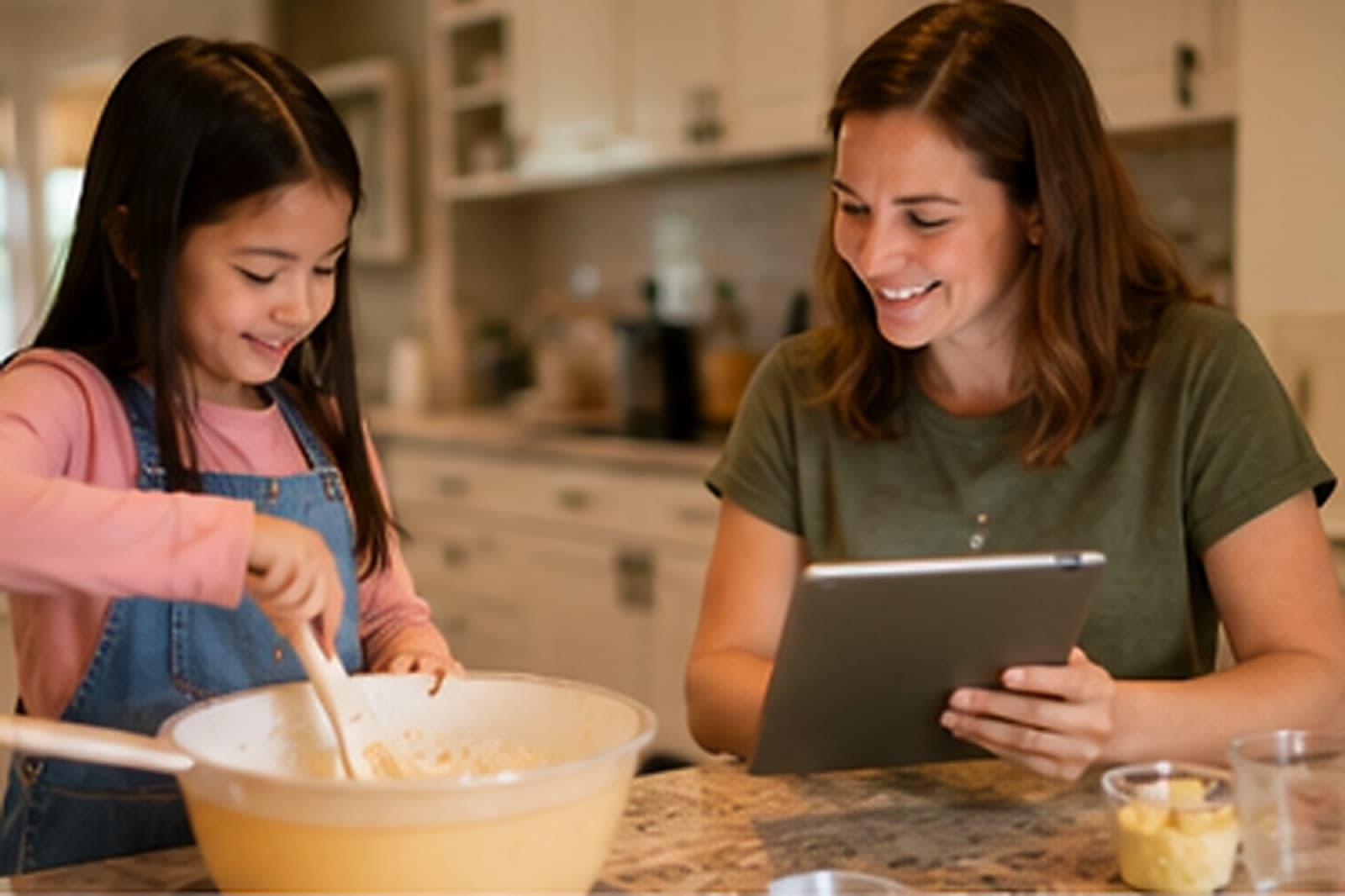
What is the therapist writing down the whole time?
Data on each skill your child is working on. For every target, the therapist records things like how many chances came up, how many your child got on their own, and how much help was needed on the rest. For challenging behavior, they note what happened right before and right after, because that pattern usually explains what the behavior is for.
Parents sometimes find the tablet distracting at first. It is the part of ABA that keeps it honest. Your child's BCBA uses those numbers to decide when a skill is mastered and when a teaching method is not working and needs to change. The same data is what your insurance company reviews when it decides whether to keep authorizing hours, so it matters beyond the living room too. Ask to see the graphs. A good team will be glad to walk you through them.
What does an ABA session look like at different ages?
The structure stays similar, but the content changes a lot with age. We work with children and young adults from ages 1 to 21, and a session for a toddler barely resembles one for a teenager.
| Age | What a session tends to look like |
|---|---|
| Toddlers | Almost entirely floor play, following the child's lead, with lots of focus on early communication, imitation, and shared attention |
| Preschoolers | Play-based teaching plus short focused practice, with pretend play, two-step directions, and getting along with siblings |
| School age | Often after school, built around what the child chooses: games, bikes, homework help, conversation, and handling frustration |
| Teens | Independence and daily living skills, social situations, self-advocacy, and the child having a real say in the goals |
School-age kids worry us the most on the first visit, and their parents usually say the same thing: my child just spent all day in school, and I do not want to add more school. Neither do we. For an older child, the session starts with what they want to do, and the teaching rides along inside it.
What is my job during the session?
Mostly, to be nearby and to join in when the therapist asks. You do not have to watch every minute. Plenty of parents cook dinner, take a work call, or look after a sibling in the next room. An adult caregiver does need to be home for the whole session.
The moments you are pulled in matter more than the hours you are not. The therapist will coach you through the same routines they are practicing, like how to prompt a request at snack or how to give a heads-up before turning off the TV. Your child spends a few hours a week with us and every other hour with you. The skills stick when they show up in both.

Being at home also changes how the whole thing feels, for the child and the parent. One Salt Lake City parent put it this way in a Google review:
I was leary about starting my daughter with ABA therapy because of horror stories I've heard, but having it in home where my daughter is comfortable, is amazing.Amanda, Salt Lake City
What happens when my child has a hard day?
The session adjusts. Kids get sick, sleep badly, and have days where everything is too much. A therapist will lower demands, spend more time on pairing and easy wins, and focus on keeping your child regulated rather than pushing through a plan. That is not a lost session. Knowing what a hard day looks like, and what helps, is useful information for the BCBA too.
If challenging behavior is part of why you are starting ABA, your BCBA will write a specific plan for it before the technician ever uses it, and walk you through it so you know exactly what everyone will do. Nothing in that plan should surprise you. If it does, ask.
What happens before the first session?
Before therapy starts, your BCBA completes an assessment: time with your child, time talking with you about daily life, and standardized measures of skills across areas like communication, play, and self care. That assessment becomes the treatment plan, which sets the goals and the number of weekly hours your insurance is asked to approve. The first few sessions after that lean heavily on pairing, so your child and their therapist get to know each other before the real work begins.
If you want to see what a program could look like for your own child, our interactive ABA preview asks a few questions about your child and shows likely focus areas, estimated hours, and a first-year timeline. If you are still at the stage of wondering whether your child needs an evaluation at all, early signs of autism by age is a better place to start.
And if cost is the question on your mind, we can answer it quickly. Golden Touch ABA provides in-home therapy across Utah and Maryland, and we will check your benefits for free within one business day, before you fill out any intake paperwork. Utah families can also read what ABA therapy costs in Utah for the numbers in plain terms.

About the reviewer
Lily Palmer, M.Ed., BCBA, LBA
Board Certified Behavior Analyst, Golden Touch ABA
Lily Palmer is a Board Certified Behavior Analyst and Licensed Behavior Analyst with Golden Touch ABA, where she designs and oversees in-home ABA programs for children with autism in Utah. She holds a Master of Education and studied at the University of Utah.